

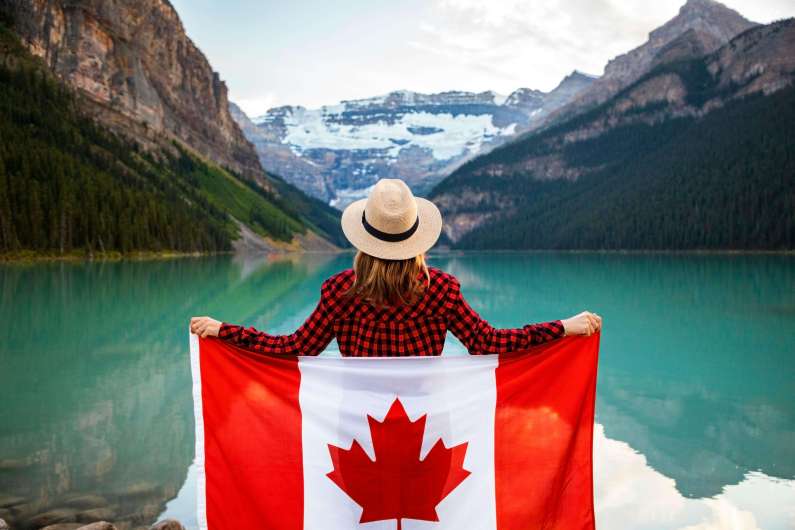
With the majestic Canadian Rockies acting as the backdrop, Lake Louise steps out of the mountainous wilderness as a sparkling gem in the midst of Banff National Park, Alberta. Such water, with a magical turquoise color from glacial sediments, reflects the gigantic mountains around it, thus creating not only a beautiful but also an extraordinary view. Situated amidst these dramatic backdrops of the snow-capped mountain ranges and the enchanting nature, this iconic alpine lake is a perfect example of the wild power and irresistible lure of mother nature. Let’s get out on the road together and experience Lake Louise’s magical vistas, where each view brings awe and each moment is filled with the mystical allure of the mountains. You are cordially invited to enjoy the grandeur of Lake Louise.

WHERE IS LAKE LOUISE ?
Situated a mere 60 kilometers northwest of Banff town, Lake Louise awaits, a picturesque gem in the heart of the Canadian Rockies. A scenic drive of approximately 40 minutes from Banff, 60 minutes from Golden, 20 minutes from Field, or 50 minutes from Canmore unveils this natural wonder. Not to be confused with the Lake Louise village, the actual lake rests at an elevation of 1600 meters, offering a breathtaking alpine escape.

WHAT’S THE HISTORY OF LAKE LOUISE ?
With Lake Louise placing within the Canadian Rockies the rugged grandeur of Banff National Park, it is a visual reminder of the lasting beauty and history of this natural wonder. A remarkable physical feature in Alberta, Lake Louise is one of the best-known natural landmarks that have a centuries-old history, full of narratives about explorations, Indigenous heritage, and the rise of tourism in the vast Canadian wilderness.
The story of Lake Louise starts way before the immigrants came to the region, with the tribes like the Stoney Nakoda and Blackfoot natives living there for many hundreds of years. They cherished this place for its plentiful harvest and spiritual meaning, thus creating an enduring bond with the mountains, forests, and crystal clear running waters.

The earliest known European exploring of Lake Louise occurred in the end of the 19 century when CPR workers chanced upon the glittering waters during the construction of transcontinental railroads. Impressed by its breathtaking beauty, they named the lake the Princess Louise Caroline Alberta Lake, the fourth daughter of Queen Victoria.
In the dawn of the 20th century, Lake Louise started to get the attention of tourists and adventure lovers who came to see this unmatched scenery. The building of the famous Fairmont Chateau Lake Louise in the year 1890 only deepened the reputation of the lake as a travelers dream destination where one can enjoy the wonders of the Canadian Rockies in luxury and style.

During the many years, Lake Louise has charmed the tourists around the globe, acting as a background for a multiplicity of outdoor, romantic and quiet moments. As a result of glacial meltwaters, its turquoise waters still symbolize purity and natural wealth, a reminder of the need to protect the most valuable natural ecosystems.
The Lake Louise of today is more than a protected area that borders the Banff National Park; it is a conservation symbol and stewardship that draws in millions of visitors every year. Whether it is a peaceful stroll along the trails, gazing at the reflection of the mountains that surround it, or just relaxing in the alpine setting, the Lake Louise continues to elicit awe and admiration from all who visit its time-honored beauty.
Looking back at the historical threads sewn into the fabric of Lake Louise, we realize that this natural beauty is forever etched into our history and the need to keep it for the generations ahead to come and be proud of. Nestled in the midst of the Canadian Rockies, Lake Louise takes its rightful place as a beacon of nature’s sublime and indestructible splendor in the midst of the majestic mountains and pristine wilderness.

WHY LAKE LOUISE COLOR IS SO BLUE?
The majestic blue color of Lake Louise is primarily because of the tiny rock particles called glacial rock flour or glacial silt that are suspended in the water. These particles are formed as a result of the grinding activity of glaciers as they move over bedrock and grind it into finely ground powder.
When the sunlight penetrates the lake, there is a collision between light rays and these suspended particles, especially the shorter wavelength ones like blue and green. At the same time, the particles will scatter the shorter wavelengths of the light, and as a result, the water will have its own particular turquoise-blue color. The term glacial milk is used to describe a phenomenon frequently seen in glacier-fed lakes and waterways, where the suspended particles give the water a distinct shade of blue.
The deepness and clarity of the water that combines with the reflection of surrounding mountains increases the vividness of Lake Louise’s blue color, thus providing a breathtaking and unforgettable experience that draws travellers from everywhere.

WHAT ARE THE INTERESTING FACTS ABOUT LAKE LOUISE?
1. The town surrounding Lake Louise is the highest in Canada
2. No one is allowed to live in Lake Louise and Banff National Park unless they either work or own a business in the area.
3. The turquoise lake is the most photographed place in Canada and the world.
4. 15,000 people visit the lake every day in the summer.
5. It’s only possible for small fish such as Cutthroat Trout, Bull Trout, and Mountain Whitefish to survive in the chilly lake waters.
6. Lake Louise is Canada’s second-largest mountain resort.

WHEN IS THE BEST TIME TO VISIT LAKE LOUISE?
Lake Louise invites both winter and summer, its enchantment surpassing the whims of seasons. While average months of October to May are less vivid, these winter periods can offer exceptional beauty experiences. This resplendent destination never ceases to amaze and hence any moment is the best moment to explore its majesty. Winter is a season shrouded in magic. From riding in a sleigh to ice skating, ice climbing to skiing, and snowshoeing, winter provides adventure.
Summer brings a host of activities, with the scenery to make them all the more memorable. The lake’s water level and color are regulated by glacier water and so they dance to the rhythm of the temperature change. For those who want to feel the warm weather and seeking the most beautiful turquoise view, July and August are ideal season for visiting.
Nevertheless, the water color that stands out is maintained, representing the lasting appeal of the lake. Despite the progress of autumn, Lake Louise still preserves the allure and the freeze will come until late October or early November, when winter’s icy grasp will start. Rarely, the lake freezes a bit so that skaters can have a skate before the snowfall covers the lake, which can be just magnificent during winter.

IS LAKE LOUISE BUSY IN SUMMER?
Right, Lake Louise is often crowded mainly in the summer season. Drawing visitors from near and far as it is remarkable for its turquoise waters and scenic vicinities, it is one of the greatest picturesque areas in the Banff National Park.
The busiest time of the summer season, which lasts from June to August, is the height of activity at the lake and its trails around it, especially on Saturdays and holidays. A regular problem at Lake Louise is filled parking, and traffic jam on the roads is not a rare phenomenon. Besides, previously crowded hiking trails in the area, such as the Plain of Six Glaciers and Lake Agnes trails, can become even packed during this time.
Though the crowd provides the summer’s vivacious energy, going to Lake Louise during summer gives the chance to do outdoor activities such as hiking, canoeing, wildlife viewing, as well as photography. Avoiding busy times can be achieved by going for a morning or evening walk or by discovering “hidden gems” in the less popular sections of the Banff National Park.

WHEN DOES THE LAKE LOUISE MELT?
Typically, the ice covering Lake Louise tends to thaw around the onset of June. However, this natural process can vary slightly depending on seasonal factors. At times, the ice may melt earlier or later than usual. Nevertheless, it’s reasonable to expect that by June, the lake will be free of ice.

WHEN DOES THE LAKE LOUISE FREEZE?
In the Rockies, Lake Louise typically starts to freeze over as November sets in. Preceded by substantial snowfall in October, this freezing process often aligns with the opening of the Lake Louise Ski Resort, typically in the initial week of November. However, the natural rhythms of the mountains ensure that each year holds its unique timing and surprises.

WHAT’S SO SPECIAL ABOUT LAKE LOUISE?
Lake Louise is situated in Banff National Park in Alberta, Canada. It is a jewel of the country and the world alike for its unparalleled and crystal turquoise beauty. Several factors contribute to its special allure: Several factors contribute to its special allure:
Scenic Beauty: The lake is surrounded by the mountain range which is topped by the Victoria Glacier, the narrow ice field jutting out of the mountain. The assembly of the blue-green glacier water and mountain backdrop in one place is an artistic arrangement that really invigorates your senses.
Outdoor Recreation: Lake Louise has a multitude of outdoor activities for both summer and winter seasons such as hiking, boating, wildlife viewing in the summer, and ice skating, climbing, and skiing in the winter. Visitors can stroll around the nearby walking paths and see the viewing areas from different angles.
Hiking Trails: The area boasts several hiking trails that are suitable for different skill levels. Visitors have the chance to be part of the wilderness, spot hidden gems such as the Mirror Lake and Plain of Six Glaciers.

Fairmont Chateau Lake Louise: The Fairmont Chateau Lake Louise, a lush hotel, with a luxurious interior that has evolved into a symbolic landmark, is the jewel of the area as it is located on the lake’s edge. It becomes an exclusive venue providing exquisite views of the lake and mountains along with fine dining and lodging facilities.
Photographic Opportunities: The Lake Louise is a preferred location for photographers as a result of the magnificent views. It could be the still waters that mirror the mountains or the fascinating colors of the surrounding scenery, but the lake is a perfect spot for capturing the most interesting photos.
In brief, Lake Louise’s harmonious blend of the awesome beauty of nature, outdoor activities and peaceful atmosphere create a unique destination that will captivate anyone who wants to witness the Rockies.

CAN YOU PARK TO LAKE LOUISE?
Attempts to access Lake Louise Lakeshore by private vehicle are not recommended. It starts getting packed from 6 am and after that its almost impossible to find a parking spot.
If you want to enjoy stress-free parking and just explore Lake Louise with our local experts, you can book one of our Lake Louise tours. You can book from here.

WHAT TIME OF THE DAY SHOULD I VISIT LAKE LOUISE?
To maximize your experience at Lake Louise, consider visiting during the early morning hours just after sunrise or late afternoon/early evening. These times offer the best chances to enjoy the serene beauty of the lake with fewer crowds. After 7am, Lake Louise will be packed and there wont be any space for parking. Additionally, the soft light during sunrise and sunset enhances the stunning scenery, making it perfect for photography. If you prefer a quieter atmosphere, weekdays are generally less busy compared to weekends and holidays. Ultimately, the best time to visit depends on your preferences and priorities for your Lake Louise experience.
We have unique sunrise experience tours for Lake Louise and Moraine Lake. Everything is arranged, even the hot chocolate while you are watching the sunrise. Our sunrise tours are mostly sold out pretty quickly. If you don’t want to miss it, book it from here earlier.

CAN YOU SWIM IN LAKE LOUISE?
Because of the Lake Louise’s low water temperatures, even in the summer season, swimming there is not usually advised. The lake is fed by glaciers, which is the main reason for the water stay very cold and often hovering just above freezing even in the warmer summer season. Consequently, a glacial silt is the reason for the stunning turquoise colors of the lake, which reduce visibility and cause hazards for the swimmers.
Some people might decide to have a short swim or even walk in the shallow areas, but be aware of the dangers of swimming in cold water and why you should proceed with caution. Hypothermia can be triggered not only during cool temperatures but also on warm days. In addition, the lake’s currents and underwater obstacles can be dangerous to swimmers.
Swimming in the Lake Louise being replaced with other recreational activities such as canoeing, kayaking or just standing by the shoreline and admiring the beautiful scenery. Should you be in search for a place to swim in Banff National Park, there are other better options that are safer and more suitable, such as the Banff Upper Hot Springs or the designated swimming areas in nearby lakes with warmer water.

IS IT SAFE TO WALK AROUND LAKE LOUISE?
Yes, it is very much all right to walk around Lake Louise. The area around the lake is served by well-maintained walking paths and trails that lead to breathtaking viewpoints and other impressive natural sites. undefined
Winter: In the wintertime, Lake Louise trails may be covered in snow and ice, making them very slippery and dangerous to navigate. If you decide to visit during winter, equip yourself with traction footwear and perhaps use walking poles for stability.
Wildlife: Banff National Park, the location of Lake Louise, is the habitat for a wide range of fauna, including bears and elk. Though such encounters are rare, it is necessary to pay attention whether there are any posted guidelines or warnings of wildlife activities. Make sounds while walking to let animals recognize you and remember to carry bear spray as a precaution.
Weather: Weather conditions in the mountains may be deceiving and can change quickly, therefore it is advisable to be prepared for sudden changes in temperature, wind and precipitation. Wear layers and take along essentials such as water, snacks, sunscreen and hat.
Trail Closures: Periodically some trails or territory around Lake Louise may be closed because of the maintenance, wildlife activity or hazardous circumstances. Make sure you pay attention to sign and information from park officials to keep you on the designated paths and avoid any safety hazards.
Through undertaking the necessary steps and being informed, walking around Lake Louise can be a secure and enjoyable experience, where one can marvel at the beauty of nature in this famous attraction.

HOW DEEP IS LAKE LOUISE WATER?
Lake Louise is less deep than a majority of other nearby lakes. It has a maximum depth of 70 meters (230 feet). Though the lake depth on average is 32 meters (105 feet), Despite its shallow depth, this lake is an incredibly beautiful sight to watch because of the color of its turquoise water and the view of the nearby mountain.
